

My most recent delve into a life off of the online grid is not my first. In 2016, I began to realize that social media was negatively effecting me in ways that went beyond the “fear of missing out.” On July 7, 2016, Michael Xavier Johnson shot and killed five police officers and injured nine others in Dallas, TX. This was not long after protests had broken out over the shootings of two men by police officers. I did not know these people, and I have no familial associations with police officers or civil servants. As I randomly scrolled through my facebook feed, I noticed that a race war/police support war had broken out. My friends who had posted articles about the shooting were twenty comments deep in arguments about whether or not “those guys deserved it,” thoughts and prayers floated through the digital air, droplets of well intended hope that were as useful to the situation as the keyboards they were written on. Gun control was hot and heavy, with a lot of opinions and very little action. Everyone had staunchly taken a side, and in between, shared photos of cocktails or hikes or memes.
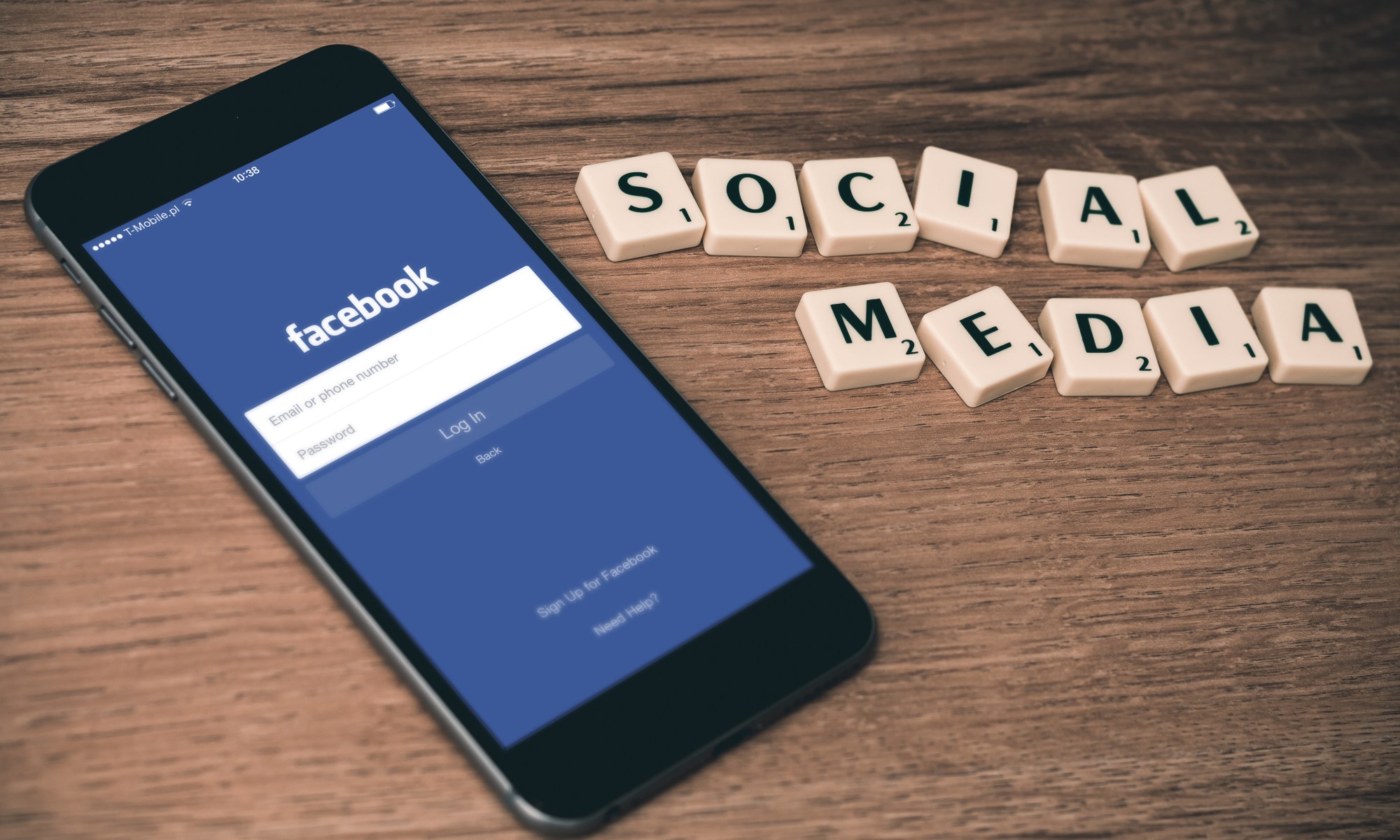
I deactivated my Facebook profile. Not only did the news I was reading seem skewed or biased, I couldn’t keep myself from scrolling past the article, into the comment sections, where people I will never meet threw verbal insults at each other, thinly veiled racist attacks along with demands of protection for the 2nd Amendment. Not long before this, I had happily declared that I received almost all of my news from Facebook, and it took me a few years beyond this to realize what a terrible idea this was.
I did not know at the time that much of the news I was seeing was balanced and curated for me, a computer algorithm that grouped me with people similar to myself, to show us what it perceived we wanted to see. I did not know that Facebook would soon be embroiled in legal issues, with its failure to stop hoaxes and inaccuracies from reaching millions as the infamous 2016 election ramped up. What I knew at the time, was simply that there was a lot of anger and sadness in my little handheld device, and that anger and sadness was giving me a sense of hopelessness. Was a race war on the horizon, as the collective internet I was privy to seemed to believe? My Twitter account showed David Duke screaming into the void, exploiting the hashtags #waronwhites and #makeamericagreatagain.
I didn’t look for David Duke on Twitter. One person retweeted one thing, something about how horrendous the man was, and I clicked it. I clicked hashtags, I read the vile hatred, I glanced at profiles to see what a human that inherently hated another human looked like. My twitter timeline changed quickly, though I didn’t bother to delete it then. Sponsored posts were no longer jewelry or celebrities, but political minded opinions that were very one sided.
I remained on Instagram, posting about exercise, or maybe a quote that seemed to reflect my feelings at the time, probably a meal at a restaurant that looked just like the same meal anyone else could have posted.
I stared at my phone. A lot.
 A Life Without Social Media